Purley Way commercial cleaning for shops and offices Croydon
If you run a shop, showroom, or office near Purley Way, you already know that cleanliness is not just about looking tidy. It shapes first impressions, staff morale, hygiene, and even how smoothly the day runs. Purley Way commercial cleaning for shops and offices Croydon is really about keeping business spaces ready for customers and colleagues without creating extra hassle for the people who manage them.
On a busy retail strip or in an office that never seems to stop humming, dirt builds up quietly. Footfall brings in grit, shelving gathers dust, doors get marked, and toilets or kitchenettes can go from "fine" to "needs sorting" rather quickly. The good news? A well-planned commercial cleaning routine makes all of that manageable. In this guide, we'll break down how it works, what to expect, what to avoid, and how to choose a service that fits the reality of your premises, not some neat brochure version of it.
Contents
- Why Purley Way commercial cleaning for shops and offices Croydon Matters
- How Purley Way commercial cleaning for shops and offices Croydon Works
- Key Benefits and Practical Advantages
- Who This Is For and When It Makes Sense
- Step-by-Step Guidance
- Expert Tips for Better Results
- Common Mistakes to Avoid
- Tools, Resources and Recommendations
- Law, Compliance, Standards, or Best Practice
- Options, Methods, or Comparison Table
- Case Study or Real-World Example
- Practical Checklist
- Conclusion
- Frequently Asked Questions
Why Purley Way commercial cleaning for shops and offices Croydon Matters
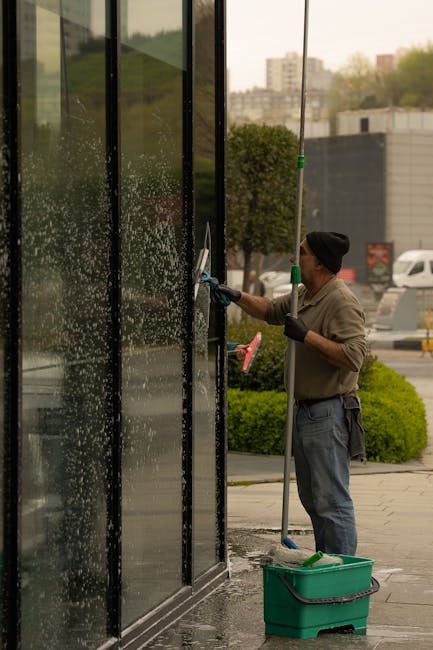
Purley Way is a high-traffic commercial area, so the demands on a cleaning schedule are a bit different from a quiet back-street premises. Shops see constant in-and-out movement, deliveries, fingerprints on glass, muddy marks near entrances, and all the little traces customers leave behind. Offices, meanwhile, need a different kind of care: desks, meeting rooms, kitchens, washrooms, carpets, and touchpoint-heavy spaces all need consistent attention.
That difference matters. A shop can have a lovely product display and still feel uninviting if the floor looks scuffed or the entrance glass is smeared. Likewise, an office can be well organised but still feel tired if bins are overflowing or shared areas are neglected. Customers notice. Staff notice too. Even if nobody says it out loud, they feel it.
There is also a practical side. Regular commercial cleaning supports a more predictable working environment. It helps prevent grime from becoming embedded, reduces the time managers spend dealing with avoidable mess, and can make daily opening and closing smoother. To be fair, most business owners do not want to be thinking about skirting boards at 7:30 in the morning. They want the place to be ready.
Expert summary: the best commercial cleaning near Purley Way is not the fanciest service on paper; it is the one that matches footfall, opening hours, hygiene needs, and the way your team actually uses the space.
How Purley Way commercial cleaning for shops and offices Croydon Works
Most commercial cleaning starts with a walk-through or a detailed conversation. That first stage matters more than people think. A decent cleaner will want to understand what kind of premises you have, when people are onsite, which areas are high priority, and what level of service you need. A retail unit with tiled floors, fitting rooms, and a customer toilet needs a very different plan from an office with hot desks, breakout space, and a carpeted reception.
Once the scope is clear, the work is usually broken into scheduled tasks. These might include daily touchpoint cleaning, weekly deep cleans, periodic carpet or upholstery care, and occasional one-off work for seasonal resets or post-refurbishment tidy-ups. If you have ever watched a team clean at the end of a trading day, you will know the value of a simple, methodical routine. It keeps things calm. No fuss, no double work.
In many premises, cleaning is also shaped by access times. Shops often need early morning or late evening visits. Offices may prefer cleaning after hours so the team can work without interruption. This is where commercial cleaning differs from domestic-style work: timing, discretion, and consistency are all part of the service, not extras.
For larger or more complex sites, it can help to combine several services. For example, an office might need regular office cleaning, while a retail unit could benefit from periodic deep cleaning of customer-facing areas. If carpets are holding onto odours or heavy soil, a targeted carpet cleaning visit can make a bigger difference than people expect. Quietly dramatic, honestly.
Key Benefits and Practical Advantages
Clean premises do more than look nice. They support how the business feels, functions, and performs day to day. Here are the main advantages companies usually care about, even if they do not always put them in those exact words.
- Better first impressions: customers are more comfortable walking into a place that smells fresh, looks cared for, and feels organised.
- More productive working conditions: staff spend less time dealing with mess and more time doing their actual jobs.
- Improved hygiene routines: regular cleaning helps keep shared spaces, washrooms, and kitchen areas under control.
- Less wear and tear: dirt trapped in carpets, grout, and flooring can make surfaces age faster than they should.
- Lower stress for managers: a reliable schedule reduces those last-minute "we've got a client coming in ten minutes" moments.
- Better brand perception: clean surroundings support a business image that feels trustworthy and well run.
There is also a small but important morale effect. Staff generally work better in a space that feels looked after. Nobody wants to be the person wiping down the kitchenette for the third time because no one else has a system. We've all seen that situation, and it's never ideal.
For office environments in particular, a good routine often extends beyond visible surfaces. Things like entrance mats, hard flooring, handles, lift buttons, and shared meeting rooms often need regular attention. If your site has polished or sealed floors, hard floor cleaning can help preserve the finish and keep the surface safer underfoot.
Who This Is For and When It Makes Sense
This kind of service is useful for a wide range of businesses along and around Purley Way. The obvious examples are shops, offices, showrooms, and customer-facing premises, but the real list is broader than that.
- Retail units with steady foot traffic
- Independent stores and larger chain branches
- Offices with reception areas and meeting rooms
- Trade counters and display spaces
- Small business suites or shared workspaces
- Premises with public toilets or kitchenettes
- Sites that need a seasonal reset or one-off refresh
It can make sense if you are dealing with any of the following:
- dust building up faster than your team can handle it
- flooring that looks dull despite regular sweeping or vacuuming
- customer areas that need a sharper, more polished feel
- office spaces that are clean in theory but not in practice
- a change in opening hours, staffing, or occupancy
- post-renovation mess or a heavy trading period
Sometimes people wait too long. They assume cleaning is something to "sort out later" once business calms down. But later often turns into, well, never. A simple maintenance schedule usually works better than a heroic clean-up once a month.
Step-by-Step Guidance
If you are planning commercial cleaning for a shop or office near Purley Way, the process is simpler when you approach it in stages.
- Walk the premises with fresh eyes. Look at the space as a visitor would. Which areas show dirt first? Which surfaces collect fingerprints, dust, or spills?
- Separate daily needs from periodic needs. Daily tasks might include bins, washrooms, floors, and touchpoints. Periodic tasks might include carpets, upholstery, or a deeper reset of overlooked corners.
- Decide the right timing. Early morning, late evening, or weekends can work better than cleaning in the middle of trading hours.
- Set priorities clearly. Reception, entrances, customer toilets, kitchens, and desks are usually high priority. Be specific. "General clean" is too vague for a busy site.
- Agree the cleaning method. Different surfaces need different treatment. Glass, vinyl, carpet, laminate, and stone do not respond well to the same approach.
- Check access and security arrangements. Keys, alarm codes, storage for supplies, and safe entry routines all need to be sorted in advance.
- Review the plan after the first few visits. A good cleaning routine should be adjusted, not left to drift. If one area stays dirty, the schedule needs a tweak.
If your premises have a mix of floors and soft furnishings, consider adding specialist support rather than asking one routine to do everything. For example, a retail lounge or office waiting area may need upholstery cleaning, while a reception carpet may need a separate carpet cleaner visit. It is often more effective, and a lot less frustrating.
Expert Tips for Better Results
Here are the practical things that usually make the biggest difference.
- Keep entrance areas on a tighter schedule. This is where dirt gets in first, especially during wet weather.
- Protect high-touch zones. Handles, switches, rails, and counters need more attention than people think.
- Use the right products for the surface. Harsh or generic products can damage finishes, leave residue, or create a sticky film.
- Don't neglect the "almost invisible" dirt. Dust on vents, ledges, and display edges can make a space feel dull even when the floor looks fine.
- Build in flexibility. A good cleaning plan should cope with stock deliveries, busy weekends, and seasonal peaks.
- Ask about consistency. One-off sparkle is nice, but repeatable results are what actually matter.
One small tip that sounds almost too simple: keep a short written note of recurring trouble spots. A trail of muddy marks near the door? A break room bin that always overflows by Thursday? These patterns tell you more than a polished sales pitch ever will.
And if you run an office with soft seating, it can be worth scheduling sofa cleaning or broader cleaning company support around quieter trading periods. That way, the work gets done without turning the day into a disruption.
Common Mistakes to Avoid
Even well-run businesses make the same cleaning mistakes. The good news is they are easy enough to avoid once you spot them.
- Trying to do everything in-house. Staff can help, of course, but commercial cleaning needs consistency and time. In-house tidying alone usually turns patchy.
- Setting a vague scope. If nobody knows what "clean the office" means, expectations drift and complaints follow.
- Ignoring floor care. Floors take the biggest beating in most premises, yet they are often treated as an afterthought.
- Forgetting about after-hours access. A well-planned cleaning job can be undone by poor access arrangements or rushed handovers.
- Using the wrong service for the problem. A one-off tidy-up is not the same as a proper deep clean.
- Choosing on price alone. The cheapest option can cost more later if the standard is poor or the scope is unclear.
Another common one: assuming a cleaner will automatically know what matters most in your business. They might have plenty of experience, but every site is a little different. Tell them where the pressure points are. It saves time, and a fair bit of irritation.
Tools, Resources and Recommendations
You do not need a warehouse of equipment to keep a business premises in good shape, but the right tools matter. The basic kit usually includes a vacuum suitable for commercial use, microfibre cloths, mop systems suited to the floor type, sanitising products, glass cleaner, bin liners, and surface-safe detergents. For heavier workloads, specialist machines may be needed for carpets or hard floors.
If your business has mixed surface types, it helps to think in layers:
- Daily essentials: bins, washrooms, entrance mats, desks, counters, and touchpoints.
- Weekly attention: skirting, corners, floor edges, and glass that gets smudged quickly.
- Monthly or periodic work: carpets, upholstery, high-level dusting, and more detailed deep cleaning.
For premises with more demanding floor finishes, specialist hard floor cleaning is often worth factoring in. If you have a site that has just been refurbished or altered, after builders cleaning can be the right starting point before a standard maintenance schedule begins.
There is also a sustainability angle. Many businesses now want cleaning routines that use sensible product quantities, reduce waste, and avoid unnecessary duplication. If that matters to you, a conversation about recycling and sustainability is worth having early, not as an afterthought.
Law, Compliance, Standards, or Best Practice
Commercial cleaning touches on health, safety, access, waste handling, and the general duty to keep premises reasonably safe for staff and visitors. The exact obligations depend on the property, the work being done, and how the business operates, so it is sensible to treat this as a practical best-practice area rather than a one-size-fits-all rulebook.
For most businesses, the important points are straightforward:
- Cleaning should be planned so it does not create slip hazards or blocked access routes.
- Products and equipment should be used safely and stored properly.
- Staff and contractors should understand any site-specific hazards.
- Riskier tasks, such as access to awkward areas or work around electrical equipment, should be managed carefully.
- Records and routines should be clear enough that the standard can be repeated.
It is also worth checking that your cleaning provider has sensible procedures for insurance, safety, and communication. A reliable business should be able to explain how it manages access, incidents, and complaints without making everything sound like a legal maze. If you want reassurance around those basics, pages such as health and safety policy, insurance and safety, and terms and conditions give a helpful picture of how a professional service approaches the work.
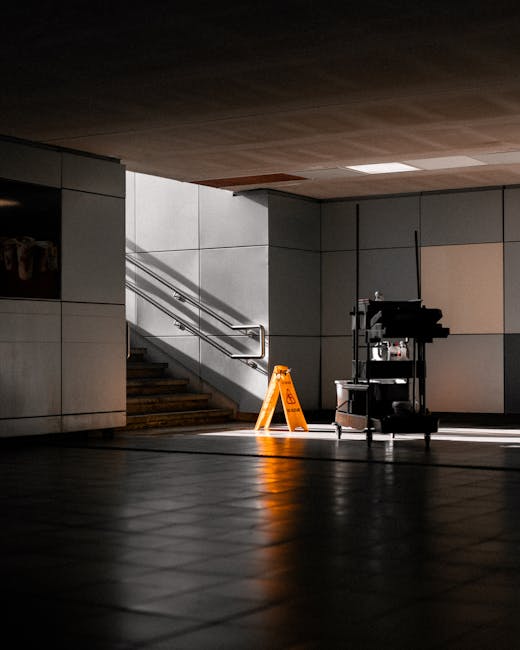
There is one more thing worth mentioning. If cleaning takes place in customer-facing areas, the timing and method should protect public safety as well as appearance. Wet floors, cables, and cleaning equipment left in the wrong place can create avoidable issues. Nothing glamorous there, obviously, but it matters.
Options, Methods, or Comparison Table
Different premises need different kinds of cleaning support. Here's a simple comparison to make the choices a bit clearer.
| Method | Best for | Strengths | Watch-outs |
|---|---|---|---|
| Daily maintenance cleaning | Busy shops and offices with steady footfall | Keeps spaces presentable and manageable | May not deal with deeper soil or hidden build-up |
| Weekly or scheduled cleaning | Smaller offices or lower-footfall premises | More flexible, often cost-effective | Can miss fast-moving mess if visits are too far apart |
| Deep cleaning | Premises needing a full reset | Targets accumulated dirt and neglected areas | Takes longer and may require access outside trading hours |
| Specialist surface cleaning | Carpets, hard floors, upholstery, windows | Better results on specific materials | Usually works best as part of a wider plan |
For many businesses, the smartest route is a mix of methods rather than one single approach. A retail unit might need daily floor and toilet care, plus periodic window cleaning for a sharper shopfront. An office might use routine maintenance combined with occasional office cleaners support for a reset before a busy period or client visit.
Case Study or Real-World Example
Picture a small office and display space near Purley Way. It has a reception desk, two meeting rooms, a compact kitchen, a carpeted waiting area, and plenty of glass. The team is fairly tidy, but by Thursday afternoon the space starts to feel worn down. The entrance mat is full, fingerprints appear on the glass doors, and the kitchen never quite feels fresh enough.
At first, the business tries to handle it internally. One person wipes counters. Another empties bins. Someone else vacuums when they remember. It works... sort of. But not consistently, and that inconsistency is the real problem.
Once a proper cleaning plan is introduced, the difference shows up in a few weeks. The entrance is dealt with before dirt spreads. Washrooms are kept cleaner across the week. The carpets no longer hold the same tired look. The office feels calmer, and staff stop doing those little private sighs when clients arrive unexpectedly. You know the moment.
What changed? Not magic. Just structure. Clear priorities, a repeatable routine, and the right type of service for the space. In some cases, the most useful addition is a periodic refresh rather than a daily overhaul. For example, targeted window cleaning and carpet cleaning can completely change how a room reads, especially under office lighting at 4 p.m. when everything looks a bit more tired than it should.
Practical Checklist
Use this checklist before you book or review a cleaning arrangement for a shop or office near Purley Way.
- Have you identified the highest-traffic areas?
- Have you separated daily tasks from periodic deep-clean tasks?
- Do you know when cleaning should happen to avoid disrupting trading?
- Have you listed the surfaces that need specialist care?
- Are access, alarms, and keys agreed in advance?
- Do you have a plan for washrooms, kitchens, and touchpoints?
- Have you checked whether carpets or upholstery need separate attention?
- Is there a review point after the first few visits?
- Have you asked how the service handles insurance and safety?
- Do the cleaning expectations feel specific enough to measure?
If you can tick most of those off, you are in a much better place. If not, that is fine too. Better to spot the gaps now than after a busy trading day.
Conclusion
Purley Way commercial cleaning for shops and offices Croydon is really about giving your business premises a dependable standard of care. Not showy. Not complicated. Just consistent, practical cleaning that keeps the place presentable, hygienic, and easier to work in. For shops, that means a sharper customer experience. For offices, it means a calmer and more productive environment. For both, it means fewer little problems building up in the background.
The best results usually come from a simple plan: understand the space, prioritise the high-impact areas, choose the right cleaning methods, and review the routine regularly. Once that is in place, the whole site feels easier to manage. That, in itself, is a real win.
Get a free quote today and see how much you can save.
And if you are still weighing up your options, that's completely normal. A thoughtful cleaning plan is one of those behind-the-scenes decisions that quietly makes the whole business feel better, day after day.
Frequently Asked Questions
What does commercial cleaning for shops and offices in Purley Way usually include?
It usually includes floors, bins, touchpoints, washrooms, kitchens or break areas, desks, reception areas, and other high-traffic spots. The exact scope depends on whether the premises is retail, office-based, or a mix of both.
How often should a shop or office near Purley Way be cleaned?
That depends on footfall, opening hours, and the type of premises. Busy shops often need daily cleaning, while offices may work well with a combination of scheduled maintenance and periodic deeper work.
Is deep cleaning different from regular commercial cleaning?
Yes. Regular commercial cleaning keeps the premises presentable and manageable. Deep cleaning goes further, targeting built-up dirt, neglected areas, and surfaces that need a more detailed reset.
Can commercial cleaning happen outside business hours?
Usually, yes. In fact, many shops and offices prefer early morning, late evening, or weekend cleaning so staff and customers are not disrupted.
What should I ask before booking a cleaning service?
Ask what is included, how often work will happen, what products and methods are used, how access is handled, and whether the service can cover specialist tasks like floors, carpets, or windows.
Do office carpets need separate cleaning?
Often they do. Carpets can hold onto soil and odours even when the rest of the office looks tidy. A separate carpet treatment can improve appearance and freshness significantly.
What are the biggest mistakes businesses make with cleaning?
The most common mistakes are vague expectations, inconsistent schedules, relying too heavily on staff to do everything, and ignoring problem areas like entrances, toilets, and floors.
How do I know if my premises needs a deep clean?
If the space looks tired even after routine cleaning, if dirt seems to return quickly, or if certain areas have been overlooked for a while, a deep clean is often the sensible next step.
Are hard floors harder to maintain than carpet?
Not necessarily harder, but they do need the right approach. Hard floors can show scuffs, dull patches, and dirt trails quickly, so surface-specific care matters.
Why is shopfront cleanliness so important on Purley Way?
Because first impressions happen fast. On a busy retail stretch, customers often decide how a business feels before they've even stepped inside. Clean glass, tidy entrances, and clear floors make a real difference.
Can a commercial cleaning plan be adapted as my business changes?
Yes, and it should be. A good plan gets adjusted when footfall changes, trading hours shift, or new areas need attention. Cleaning works best when it stays flexible.
What if I only need cleaning occasionally?
That can still work. Some businesses use one-off or periodic cleaning for seasonal refreshes, special events, post-refurbishment work, or when normal routines are not enough.